

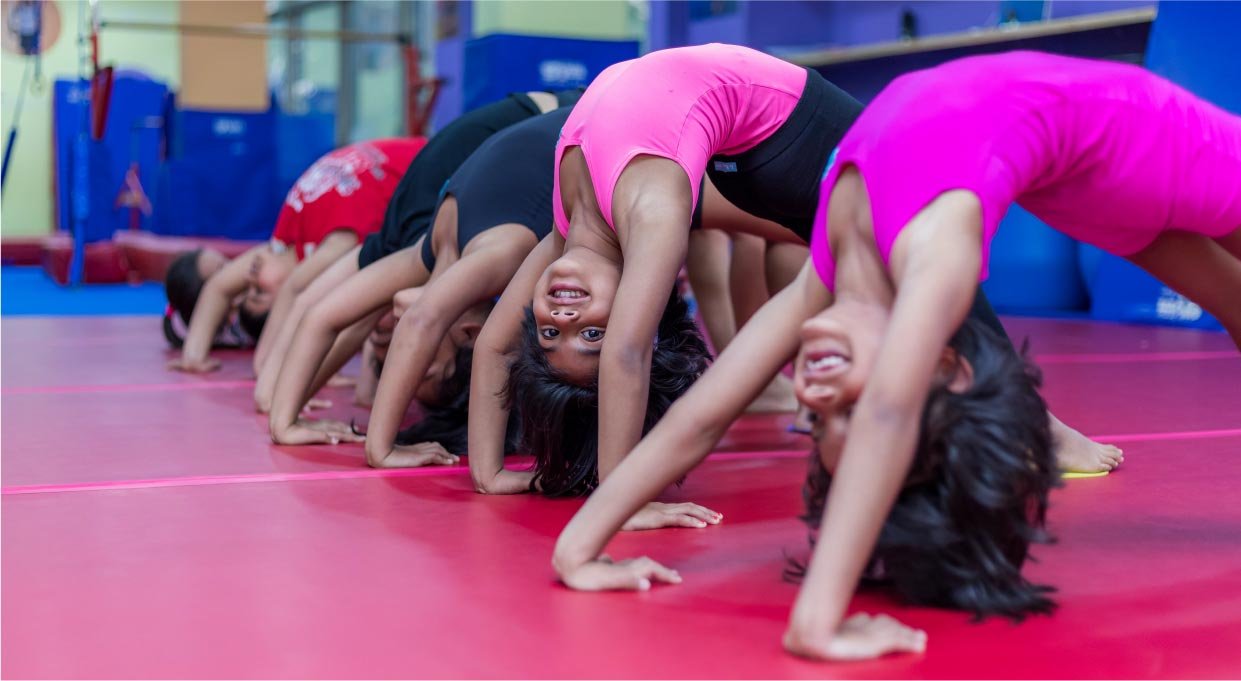
Finding gymnastics near me is an excellent starting point for discovering local classes, developing physical skills, and enjoying an active lifestyle. Whether we are searching for children’s gymnastics lessons, beginner classes, competitive training, or recreational programs for adults, choosing the right gymnastics facility can make a meaningful difference in the overall experience.
Gymnastics combines balance, flexibility, coordination, strength, and body awareness. With professional instruction and age-appropriate activities, participants can develop these abilities in a structured environment. From introductory classes to advanced training, local gymnastics centers offer programs designed for different interests, abilities, and experience levels.
In this guide, we explore how to find gymnastics classes nearby, what to expect from different programs, how to evaluate a gymnastics center, and which factors deserve attention before enrolling.
What Is Gymnastics and Why Is It Popular?
Gymnastics is a physical activity that combines controlled movement, balance, flexibility, coordination, and strength. Depending on the program, participants may practice floor exercises, balance beam movements, vaulting, uneven bars, tumbling, or other gymnastics skills.
Many families search for gymnastics near me because they want convenient access to structured physical activities. Nearby facilities can make it easier to attend classes regularly without spending excessive time traveling.
Gymnastics is also popular because programs can accommodate different experience levels. Beginners typically learn fundamental movements, while experienced gymnasts work on more advanced techniques under qualified supervision.
Beyond physical development, gymnastics classes can encourage patience, concentration, teamwork, and confidence. Learning a new movement often requires repetition and guidance, helping participants understand the value of consistent practice.
How to Find Gymnastics Near Me
Finding a suitable gymnastics center starts with identifying available facilities in the local area. Online maps, search engines, community directories, and recommendations from other families can help create a shortlist.
When searching online, we can use specific phrases such as gymnastics classes near me, kids gymnastics near me, beginner gymnastics classes, or adult gymnastics near me. These searches can produce more relevant results than a general search for gymnastics alone.
After identifying potential facilities, we should examine their websites and available class information.
Important details to check include:
- Location: Choose a facility that is convenient to reach from home, school, or work.
- Class schedules: Check whether the available sessions fit your regular routine.
- Age groups: Confirm that the center accepts participants in the relevant age range.
- Skill levels: Look for classes specifically designed for beginners or experienced gymnasts.
- Coaching qualifications: Review the instructors’ training, experience, and relevant certifications.
- Safety procedures: Ask about supervision, equipment maintenance, and emergency arrangements.
- Fees: Compare tuition, registration charges, uniforms, and other potential costs.
Reading recent reviews can also provide useful insight into communication, class organization, and the overall learning environment. However, we should consider several reviews rather than relying on a single person’s experience.
Types of Gymnastics Classes Near Me
Gymnastics centers often provide different programs based on age, experience, and individual goals. Understanding these options helps us choose a class that matches our needs.
1. Kids Gymnastics Classes
Children’s gymnastics classes introduce basic movements through structured exercises, games, and age-appropriate activities. Depending on the child’s age, lessons may include balancing, jumping, rolling, coordination exercises, and introductory apparatus work.
These programs are designed to make physical activity enjoyable while helping children become familiar with movement and instruction.
When choosing a children’s gymnastics class, parents should ask about instructor-to-child ratios, supervision policies, equipment suitability, and how coaches adapt activities to different developmental stages.
2. Toddler Gymnastics Classes
Toddler gymnastics programs typically focus on movement exploration rather than advanced techniques. Children may practice simple balancing activities, supported climbing, jumping, and coordination exercises.
Some facilities offer parent-and-child sessions, allowing caregivers to participate alongside younger children.
Before enrolling, we should confirm the minimum age requirement and whether parents must remain present throughout the lesson. A welcoming environment with appropriately sized equipment and close supervision is especially important for young participants.
3. Beginner Gymnastics Classes
Beginner gymnastics classes are suitable for people who have little or no previous experience. Coaches generally introduce fundamental positions, safe movement patterns, basic balance, and introductory floor exercises.
Participants learn at different rates, so a good program emphasizes correct technique and gradual progress rather than expecting everyone to achieve the same results immediately.
When comparing beginner classes near us, we should look for instructors who explain movements clearly, provide constructive feedback, and adapt exercises to individual abilities.
4. Competitive Gymnastics Training
Competitive gymnastics programs are intended for participants who want to pursue the sport at a more advanced level. Training may involve greater technical detail, structured practice schedules, skill assessments, and preparation for organized competitions.
These programs can require a substantial time commitment. Families should ask about selection procedures, training expectations, competition expenses, and the facility’s approach to injury prevention and recovery.
A supportive coaching culture should prioritize technique, appropriate progression, and the participant’s long-term well-being.
5. Adult Gymnastics Classes
Adults can also explore gymnastics, regardless of whether they have previous experience. Adult classes may include introductory tumbling, basic apparatus skills, flexibility exercises, balance training, and general movement practice.
Some facilities provide dedicated adult sessions, while others offer mixed-age recreational programs with appropriate modifications.
When searching for adult gymnastics near me, check the minimum age, class format, equipment availability, and whether the instructor can adapt exercises to different mobility and experience levels.
6. Tumbling and Trampoline Classes
Tumbling classes focus on floor-based movement, coordination, and the progressive development of gymnastics skills. Trampoline programs concentrate on controlled movement and balance on a trampoline under appropriate supervision.
These activities can be available as separate programs or as part of a broader gymnastics curriculum.
Because tumbling and trampoline exercises involve specific technical demands, beginners should learn through qualified instruction and should never attempt advanced skills without appropriate preparation and supervision.
What Are the Benefits of Joining a Local Gymnastics Class?
Gymnastics provides opportunities to develop a variety of physical and personal skills. The exact benefits depend on the participant’s age, training frequency, program design, and individual circumstances.
Developing Strength and Coordination
Many gymnastics exercises require participants to coordinate their arms, legs, and torso while maintaining control over their movements.
Regular, appropriately supervised practice can help develop muscular strength, coordination, balance, and general movement skills.
Improving Flexibility and Mobility
Gymnastics programs often incorporate guided mobility exercises and flexibility activities. Coaches can help participants work within comfortable ranges of movement while learning correct technique.
Flexibility develops gradually, and exercises should be adapted to individual abilities rather than forced beyond comfortable limits.
Building Confidence
Learning a new skill can provide a sense of accomplishment. As participants practice fundamental movements and gradually master new challenges, they can develop confidence in their ability to learn.
Positive feedback and realistic goals help create an environment in which mistakes become opportunities for improvement.
Encouraging Discipline and Concentration
Gymnastics requires attention to instructions, movement control, and consistent practice. Participants learn to listen carefully, follow safety rules, and focus on individual tasks.
These habits may also support learning and participation in other organized activities.
Supporting Social Development
Group classes allow participants to meet others with similar interests. They can practice taking turns, respecting instructions, encouraging classmates, and cooperating during structured activities.
The social experience varies by facility, so families should look for a welcoming atmosphere that respects participants of different abilities and backgrounds.
How to Choose the Best Gymnastics Center Near Me
The nearest facility is not necessarily the most suitable one. We should compare several factors before making a decision.
Evaluate the Coaches
Qualified coaches play an important role in helping participants learn skills progressively and safely. Ask about relevant certifications, coaching experience, first-aid training, and the instructor’s experience with the appropriate age group.
It is also useful to observe how coaches communicate with participants. Clear explanations, respectful feedback, and appropriate supervision are important indicators of a supportive learning environment.
Inspect the Equipment and Facilities
A gymnastics center should maintain its equipment and organize the training space appropriately. Look for suitable mats, well-maintained apparatus, clear practice areas, and procedures for reporting damaged equipment.
Ask whether the facility conducts routine safety inspections and how it manages classes when equipment requires maintenance.
Check Class Sizes
Class size can influence how much individual attention participants receive. Smaller groups may allow coaches to provide more personalized feedback, although the appropriate group size depends on the activity, participants’ ages, and staffing arrangements.
Parents should ask how instructors supervise children during activities that involve equipment or elevated surfaces.
Compare Pricing and Membership Options
Gymnastics tuition varies according to location, class duration, instructor expertise, and program type.
Before registering, request a complete breakdown of costs. Consider whether the fee includes equipment access, registration, insurance, uniforms, or competition expenses.
It is also worth asking about trial lessons, cancellation policies, missed-class arrangements, and payment schedules.
Consider Travel Time and Convenience
A nearby gymnastics center can make attendance easier, particularly when classes take place several times each week.
Consider parking, public transportation, traffic conditions, and the time needed to travel between school, home, and the facility. A convenient schedule can help participants maintain a consistent routine.
What to Expect During Your First Gymnastics Class
A first gymnastics lesson usually begins with an introduction to the facility, the instructor, and the class rules. Participants may then complete a warm-up followed by basic movement exercises appropriate to their experience level.
Depending on the program, the session may include balancing activities, controlled jumps, simple floor movements, coordination drills, or introductory work on gymnastics equipment.
Beginners should not expect to master difficult skills during their first session. Learning foundational techniques takes time, and progress varies from person to person.
We can prepare by wearing comfortable athletic clothing, following the facility’s dress code, bringing water, and arriving early enough to complete any registration requirements.
Jewelry and loose accessories are generally unsuitable for gymnastics because they may interfere with movement or become caught on equipment. Participants should follow the facility’s specific clothing and safety instructions.
Parents should also communicate any relevant participation limitations to the instructor before the lesson begins.
Gymnastics Near Me for Different Age Groups
Choosing an age-appropriate class helps participants receive suitable instruction.
Preschool children: Programs often emphasize playful movement, balance, coordination, and basic listening skills.
School-age children: Classes may introduce more structured gymnastics techniques and allow participants to progress through different skill levels.
Teenagers: Depending on the facility, teenagers may join recreational, tumbling, beginner, or competitive programs.
Adults: Adult sessions can provide opportunities to explore gymnastics fundamentals, practice controlled movement, and develop skills at an appropriate pace.
Age requirements vary between facilities. Before booking, confirm that the center offers a program suited to the participant’s age and experience.
Are Gymnastics Classes Safe for Beginners?
Gymnastics involves physical activity and carries some risk of injury. However, appropriate supervision, suitable equipment, progressive instruction, and consistent safety procedures can help manage those risks.
Beginners should learn foundational movements before progressing to more demanding techniques. Coaches should explain safety requirements, supervise equipment use, and adjust exercises to participants’ abilities.
Participants should stop an activity if they experience pain, dizziness, or unusual discomfort and inform the instructor. Advanced skills should not be attempted independently without the necessary preparation and supervision.
Parents can ask whether the facility has emergency procedures, trained staff, appropriate insurance, and clear policies for managing injuries.
A responsible gymnastics program encourages gradual learning rather than pressuring participants to progress faster than their abilities allow.
Questions to Ask Before Enrolling
Before choosing a gymnastics facility, consider asking the following questions:
- Which classes are available for my age group and experience level?
- Are trial lessons available before registration?
- What qualifications and certifications do the coaches hold?
- How many participants are assigned to each instructor?
- What safety procedures are followed during training?
- What equipment and clothing should participants bring?
- How much do classes cost, including additional fees?
- What happens if a class is cancelled or missed?
- Are there opportunities to progress to more advanced classes?
- What are the facility’s attendance, cancellation, and refund policies?
The answers can help us compare facilities more accurately and avoid unexpected costs or scheduling problems.
Frequently Asked Questions About Gymnastics Near Me
1. How do I find gymnastics classes near me?
Search online maps and search engines using phrases such as “gymnastics near me” or “gymnastics classes near me.” Compare nearby facilities, class schedules, instructor qualifications, prices, and recent reviews before contacting a center.
2. Can beginners join gymnastics classes?
Yes. Many gymnastics centers offer beginner programs for children, teenagers, and adults. These classes introduce fundamental movements and gradually develop technique according to individual ability.
3. What is the best age to start gymnastics?
Some facilities offer introductory movement classes for toddlers, while others begin structured gymnastics lessons at preschool or school age. The appropriate starting age depends on the program, the child’s readiness, and the facility’s requirements.
4. How much do gymnastics classes cost?
Prices vary by location, program, session length, and training frequency. Contact local centers for current tuition rates and ask about registration charges, uniforms, equipment costs, and other additional expenses.
5. Are there gymnastics classes for adults near me?
Many gymnastics facilities offer adult recreational classes, beginner sessions, or tumbling programs. Availability varies by location, so confirm age requirements and class schedules directly with the center.
6. What should I wear to a gymnastics class?
Comfortable athletic clothing that allows unrestricted movement is usually suitable. Some facilities require leotards or specific training attire. Participants should follow the center’s clothing policy and avoid jewelry or loose accessories.
7. How often should beginners attend gymnastics classes?
The appropriate schedule depends on the participant’s age, goals, experience, and the instructor’s recommendations. Beginners can start with a manageable schedule and adjust it as they become familiar with the program.
8. Should I choose the closest gymnastics center?
Convenience is important, but it should not be the only consideration. Coaching quality, safety procedures, class suitability, equipment maintenance, and overall cost should also influence the decision.
Conclusion: Find the Right Gymnastics Near Me
Searching for gymnastics near me can help us discover local opportunities to learn new skills, improve coordination, develop strength, and participate in an organized physical activity.
The right gymnastics center should offer suitable classes, qualified instructors, well-maintained equipment, clear safety procedures, and a welcoming learning environment. Whether we are looking for toddler gymnastics, children’s classes, beginner lessons, competitive training, or adult programs, comparing local options carefully helps us make an informed choice.
Before enrolling, review the schedule, confirm the total cost, ask about trial sessions, and learn how the facility supports participants at different skill levels.
With a suitable program and consistent, supervised practice, gymnastics can become an enjoyable activity that encourages physical development, confidence, concentration, and a lifelong appreciation for movement.
Is this conversation helpful so far?